


Storage - United Kingdom
Advanced development
Brockleaze
- CAPACITY: 450 MW.
- HOMES POWERED: - GWh. annually
- CARBON SAVED: - tonnes over a 40 years
- LOCATION: Neston Park Estate, Corsham, SN13 9PQ
- DATE: 2024

Grenergy is proposing to build a 450MW Battery Energy Storage System at Neston Park Estate, Corsham, SN13 9PQ

The full planning application has now been submitted and can be viewed on the Wiltshire Council website with the reference number PL/2025/05552.
This project marks a significant step towards enhancing renewable energy integration, reducing reliance on fossil fuels, and supporting a more sustainable future for our communities. To meet the UK’s net-zero goals and reduce dependency on fossil fuels, it is essential to expand BESS capacity – from 5GW to more than 22GW before 2030.
BESS facilities play a vital role in the renewable energy ecosystem by storing energy during periods of low demand and releasing it back into the grid when demand peaks. Additionally, they help reduce energy costs by supplying cheaper, stored energy to the grid during high-demand periods.
At Grenergy, we are proud to be part of this green energy transition, with our projects setting a new benchmark for renewable energy solutions delivered at the right scale, in the right place.


To help shape the development, we carried out a consultation period from Wednesday 26th March until Monday 21st April. This was to allow the public to hear about our proposals and provide their feedback ahead of us submitting our planning application.
Storage - United Kingdom
Advanced development
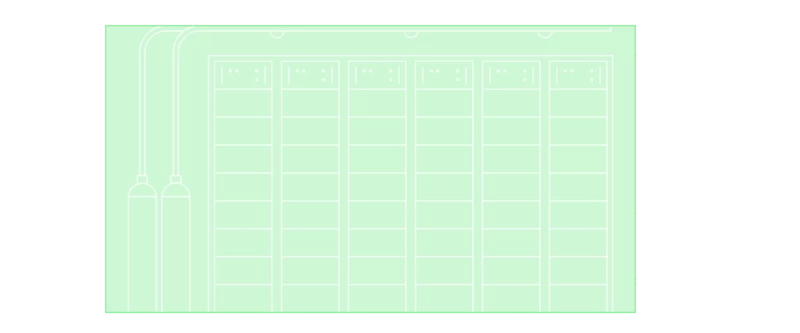
The battery rack in our Battery Energy Storage System (BESS) securely holds and organizes modules, ensuring alignment, easy installation, and maintenance. It also optimizes airflow for peak performance.
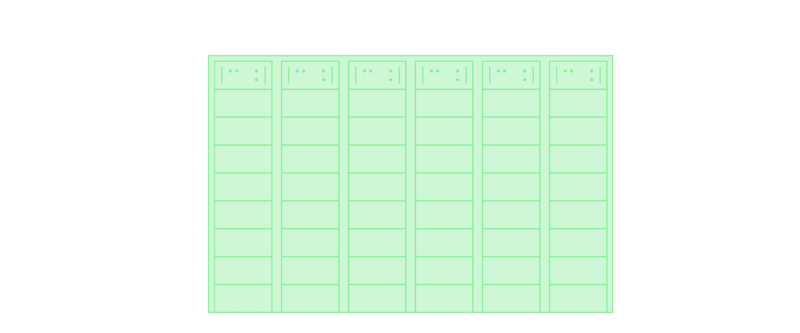
The powerhouse of our BESS is the lithium-ion battery pack. Comprising numerous individual lithium-ion cells, this pack stores and supplies electrical energy with exceptional efficiency. Renowned for their high energy density and long cycle life, these battery packs are perfectly suited for large-scale energy storage, ensuring reliable and sustained power supply whenever it’s needed most.
The Battery Management System (BMS) monitors and controls the state of each battery cell, ensuring safe operation, preventing overheating, and managing charge levels. It is essential for maximizing battery life and maintaining ideal performance.
A heating, ventilation, and air conditioning system that maintains optimal temperatures for the operation of batteries and other sensitive equipment.
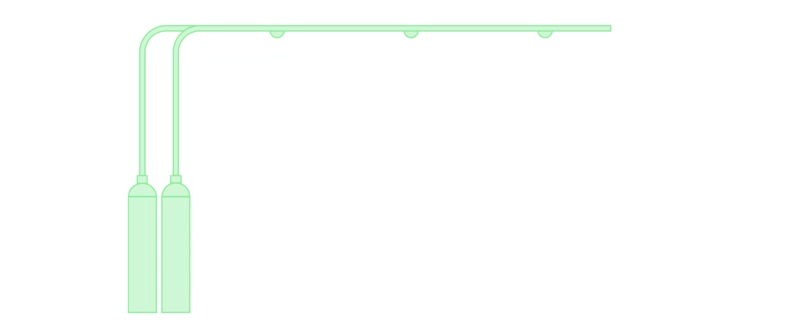
A fire protection system that detects and ensures safety in situations of overheating or fire risk.
A type of electrical current where the magnitude and flow of electrons vary over time. BESS systems store energy as direct current, so they include inverters to convert the energy to alternating current, allowing its use in conventional applications and facilitating integration into the electrical grid.
A modular structure designed to house all components of the energy storage system, providing physical protection and controlled conditions for its operation.
We use Battery Energy Storage Systems (BESS) to store renewable energy, such as solar and wind, and release it when power is most needed. While their primary function is to capture surplus clean electricity and discharge it later, they also provide essential grid stability services. For example, they help us manage voltage and frequency imbalances caused by fluctuations in renewable energy generation.
Across the UK, we lose large amounts of renewable energy, like wind and solar, when we cannot immediately use it because we lack sufficient storage capacity. To meet the UK’s net-zero goals and reduce dependency on fossil fuels, it is essential to expand BESS capacity. Battery energy storage systems ensure a stable and efficient electricity supply, especially during the transition to renewable sources. By storing energy when production is high and releasing it when demand increases, they help balance the grid, reduce CO₂ emissions, and minimize operational costs. Additionally, they enhance the resilience of the electrical system, providing backup during critical moments and facilitating the secure integration of solar and wind energy, ensuring a more sustainable energy future.
The batteries themselves produce very little noise, however, cooling fans are required to maintain the batteries at the correct temperature which emit some noise. With any planning application a detailed Noise Assessment is completed to ensure the plant causes no detriment to local sound levels.
We are committed to minimizing traffic impacts during the construction period through careful route planning and traffic management. Once the site becomes operational, traffic will reduce significantly, averaging only 1–2 vans per week. A full Construction Transport Management Plan will accompany our planning application.
BESS sites are under frequent scrutiny regarding fire safety, due to the large quantities of lithium-ion batteries in a confined space. Fire mitigation is therefore at the forefront of considerations at all sites like this one. The National Fire Chiefs Council provide the following advice to all developers of BESS sites. The summary of fire safety measures are as follows:
Grenergy have taken all advice on-board to produce a design which aligns with this guidance and is detailed in the documents submitted with the full planning application.
We are dedicated to increasing biodiversity through the planting of native species, including wildflowers, hedgerow restoration, and woodland creation, all aimed at supporting local wildlife and habitats. In addition, we offer community benefits that will directly support local causes and organizations, ensuring meaningful investment in the community.
The Community Information Line is run by our stakeholder consultants on + 44 (0) 333 358 0502
Open Monday to Friday, 9am to 5:30pm