

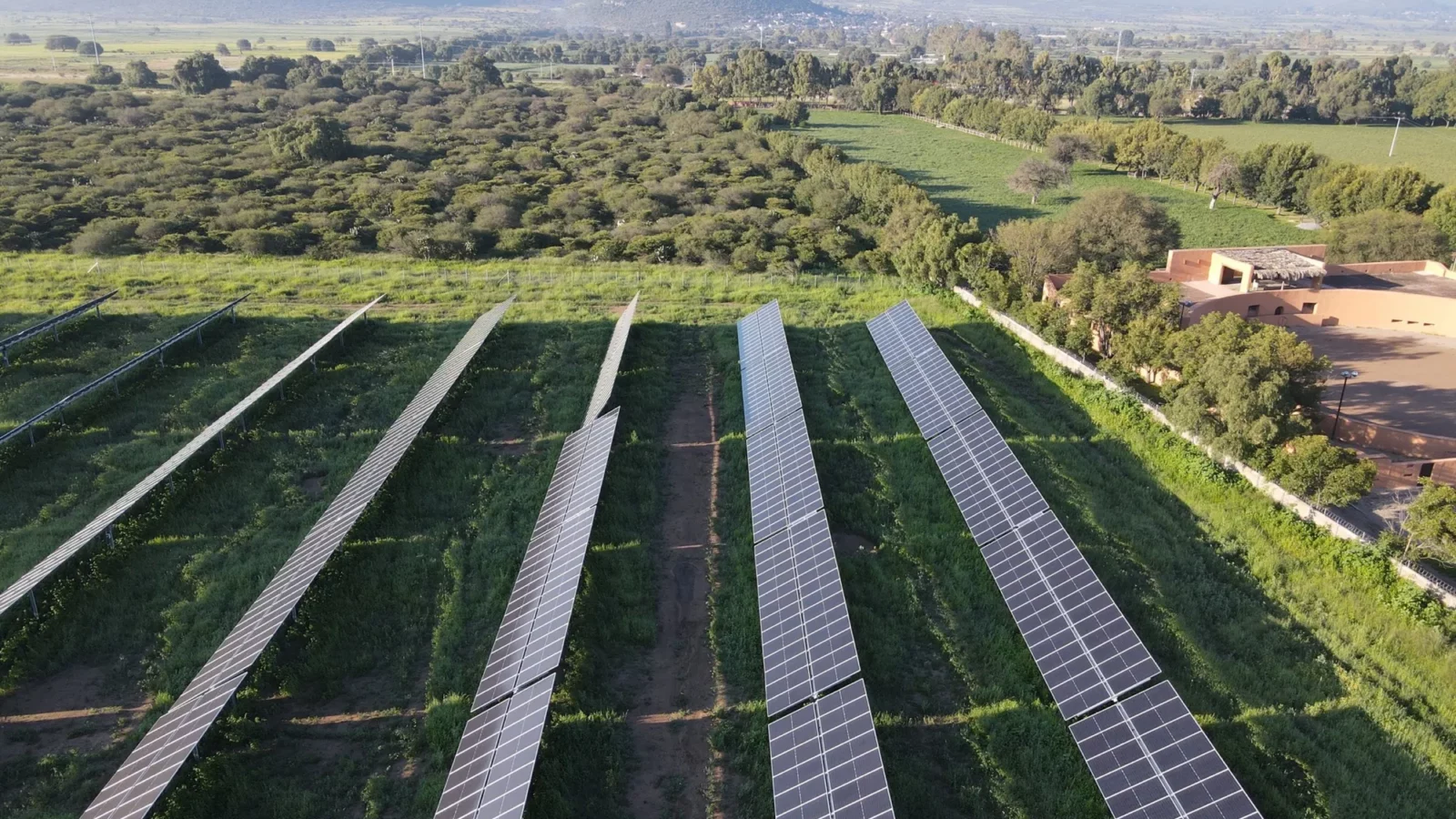
Jasper County, Mississippi, USA
32°5`N 89°10´W
Operating since
2028
Solar
Indicate which country or region you are in to view specific content.
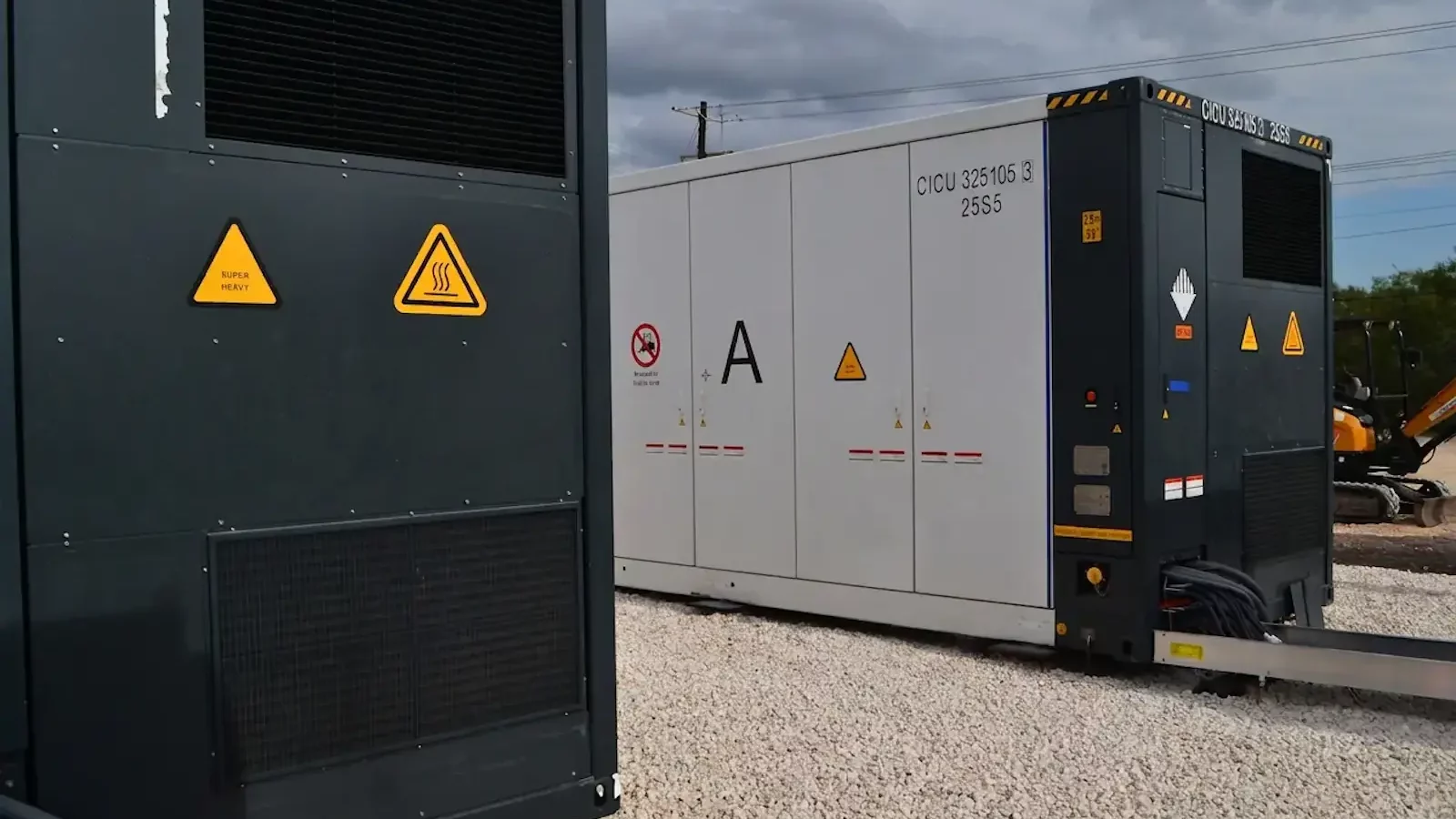
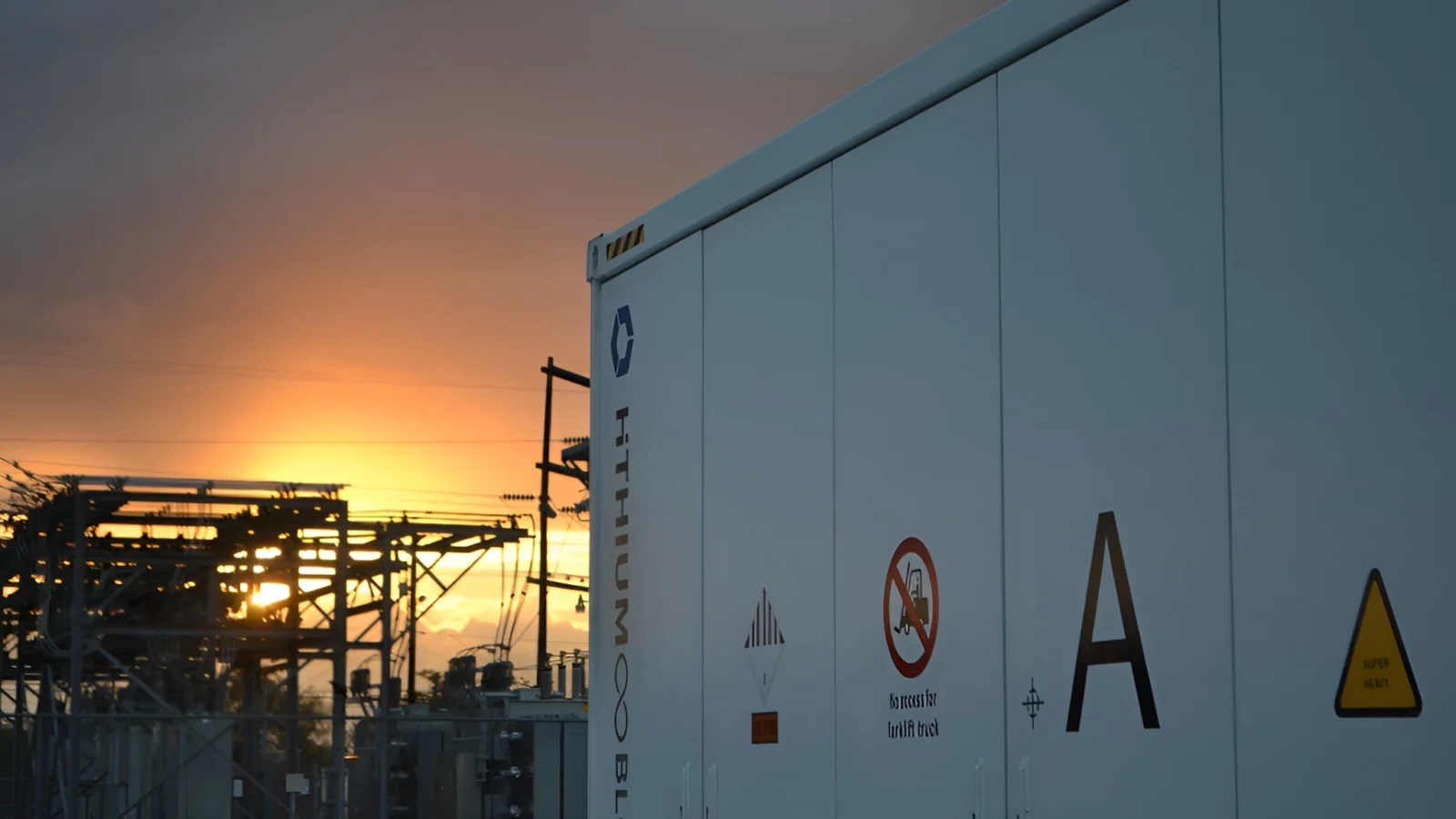
We are developing a Battery Energy Storage System – BESS – project in Jim Wells County, Texas, USA, named Stadium. The system will have a capacity of 9.9 MW/23 MWh, providing efficient energy storage and distribution.
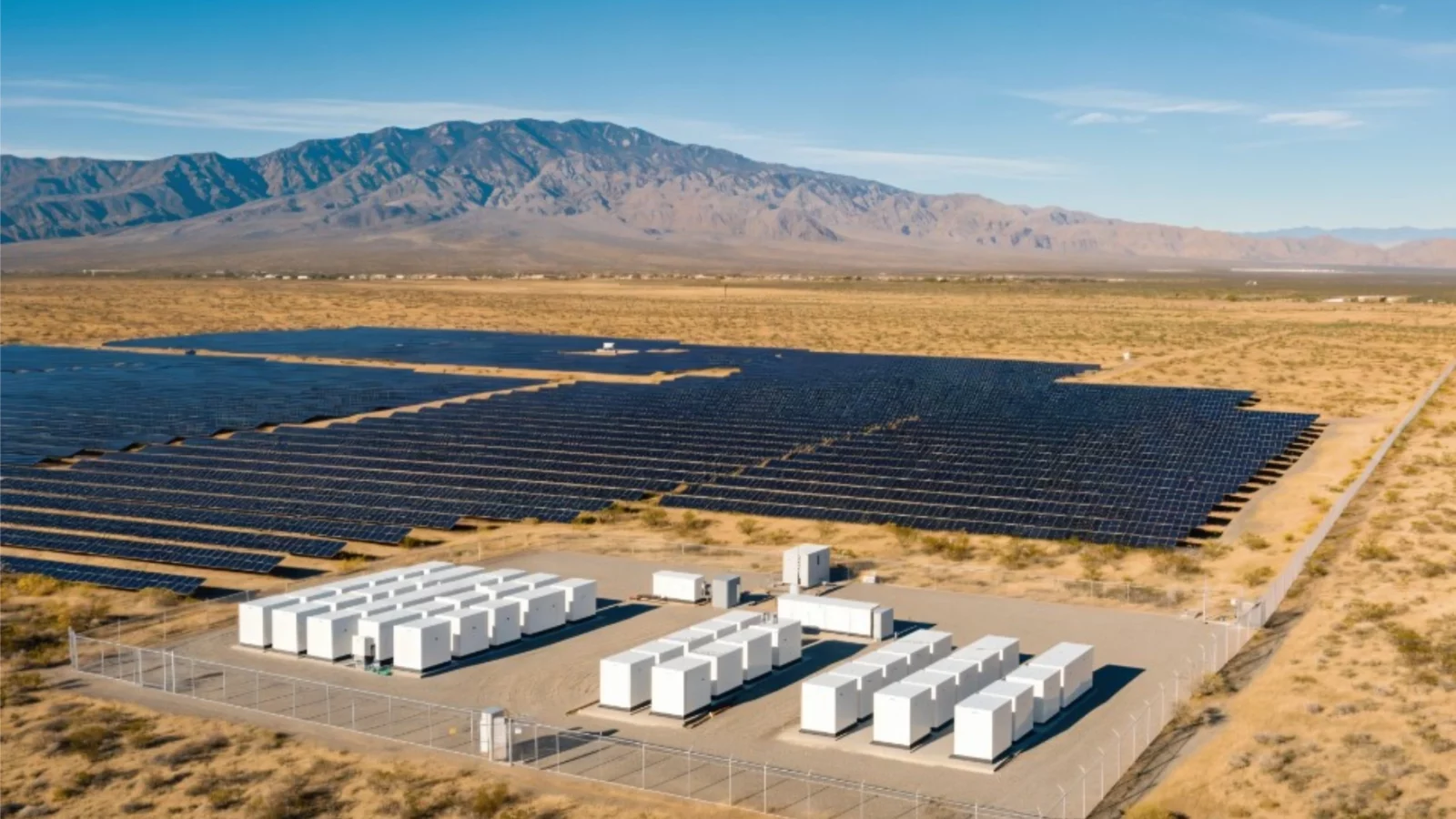
Jasper County, Mississippi, USA
32°5`N 89°10´W
Operating since
2028
Solar
Cameron County, Texas, USA
26°8`N 97°31´W
Operating since
2026
Storage
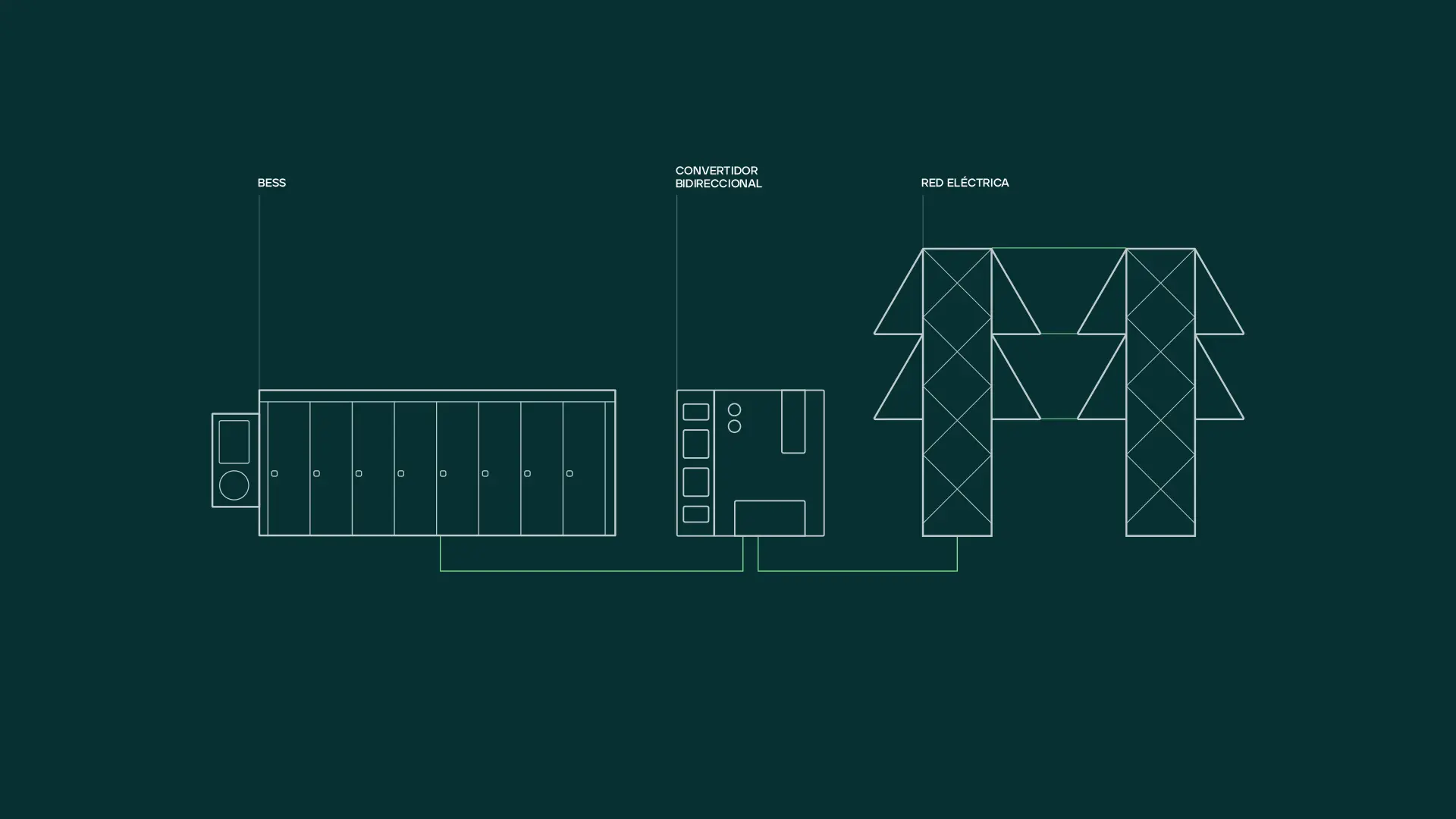
We use Battery Energy Storage Systems – BESS – to store renewable energy, such as solar and wind, and release it when power is most needed. While their primary function is to capture surplus clean electricity and discharge it later, they also provide essential grid stability services. For example, they help us manage voltage and frequency imbalances caused by fluctuations in renewable energy generation.
Across the USA, we lose large amounts of renewable energy, like wind and solar, when we cannot immediately use it because we lack sufficient storage capacity. Battery energy storage systems – BESS- ensure a stable and efficient electricity supply, especially during the transition to renewable sources. By storing energy when production is high and releasing it when demand increases, they help balance the grid, reduce CO₂ emissions, and minimize operational costs. Additionally, they enhance the resilience of the electrical system, providing backup during critical moments and facilitating the secure integration of solar and wind energy, ensuring a more sustainable energy future.
BESS sites are under frequent scrutiny regarding fire safety, due to the large quantities of lithium-ion batteries in a confined space. Fire mitigation is therefore at the forefront of considerations at all sites like this one. The National Fire Chiefs Council provide the following advice to all developers of BESS sites. The summary of fire safety measures are as follows:
Engagement with local fire authority and planning authority with emergency response plans, fire water management strategies and fire safety management plans
Separation distances or thermal barriers between all equipment, including the battery containers
Fire detection, monitoring and prevention systems installed within all battery modules
Sufficient ventilation (cooling fans) to maintain temperatures for all potential scenarios
Water supply – onsite to meet the demand of the local fire authority, e.g. hydrants or water tanks
Multiple access routes and space within compounds to ensure fire engines have access to and within the site
Grenergy have taken all advice on-board to produce a design which aligns with this guidance and is detailed in the documents submitted with the full planning application.
The batteries themselves produce very little noise, however, cooling fans are required to maintain the batteries at the correct temperature which emit some noise. With any planning application a detailed Noise Assessment is completed to ensure the plant causes no detriment to local sound levels.
We are dedicated to increasing biodiversity through the planting of native species, including wildflowers, hedgerow restoration, and woodland creation, all aimed at supporting local wildlife and habitats. In addition, we offer community benefits that will directly support local causes and organizations, ensuring meaningful investment in the community.